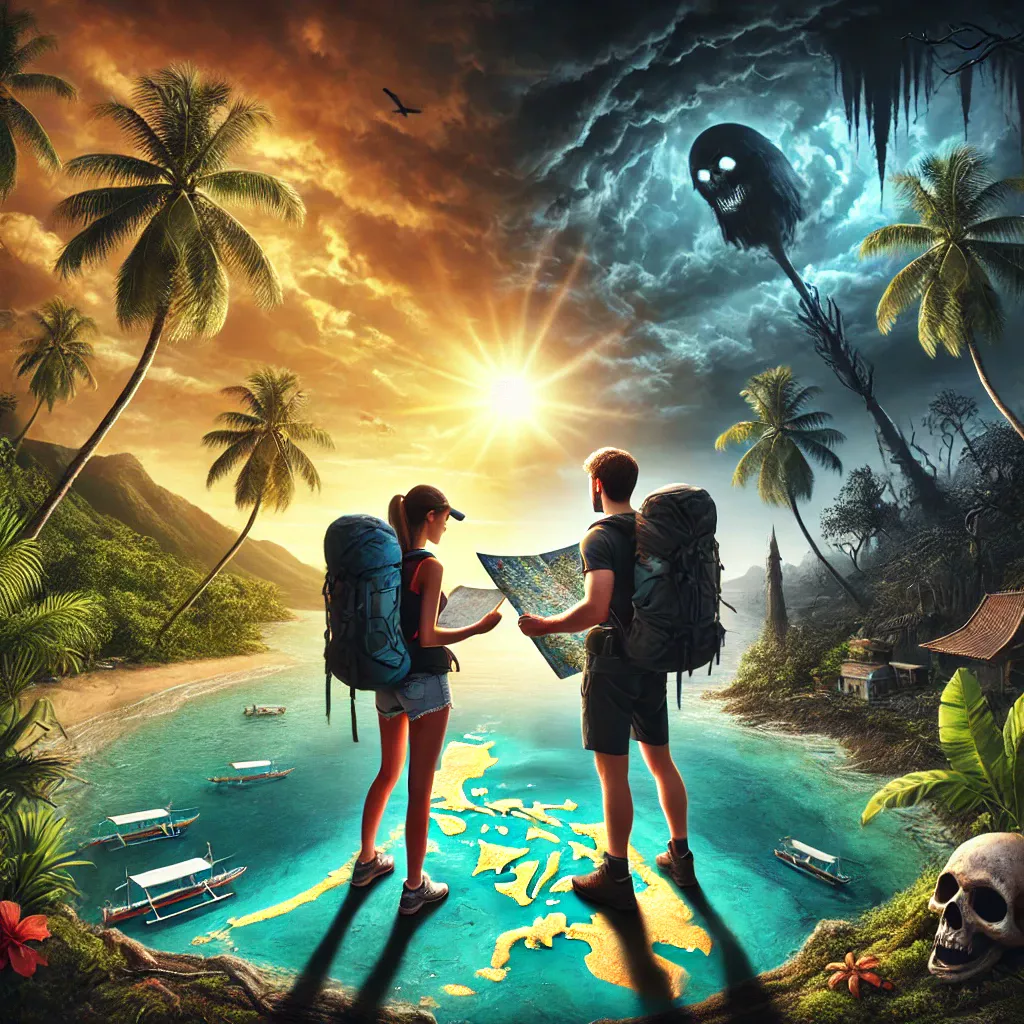
The Philippines is a tropical paradise where the sun always shines, where locals have smiles as serene as a yoga instructor after meditation, and where mojitos cost less than a cup of coffee back home. Everything looks picture-perfect until you realize that your trip can fluctuate between a dream and a nightmare in the blink of an eye.
Have you ever read a travel blog praising a “heaven on earth” where you live like royalty for the price of a taco? Congratulations – you’ve probably stumbled across a Philippines-loving travel blogger. And hey, why not? The country is full of stunning beaches, turquoise waters, and waterfalls that look like they were photoshopped straight into existence.
The tourist destinations really are beautiful, but sometimes you get the feeling that things don’t look quite the same as they did on that blog. I’m not saying the Philippines is a nightmare for tourists – far from it. But let’s be honest: travelers may experience far more than just perfect sunsets.
So, before you book your flight and before you start planning your big break as a travel blogger, let’s take a look at what the country’s six best-known tourist destinations actually offer once you take off the rose-colored sunglasses and let a little cynical realism step in.
Boracay – The Disneyland of Beaches
Boracay is like a Tinder match who looks amazing in their profile photo but turns the first date into a long stretch of awkward silence. The sand on White Beach is so fine it could qualify as a controlled substance. Unfortunately, there are also so many tourists that finding peace and quiet feels like trying to find cheap beer at an NFL stadium.
People come here for sunsets, water sports, and nightlife – until they notice the island is packed with people updating Instagram every ten seconds. A sudden tropical rainstorm can turn a romantic sunset into a cold, soggy panic in minutes.
If you enjoy jet skis, construction noise, and the occasional smells from drainage issues, you’ve come to the right place. And yes, locals live in poverty – but you didn’t come here to reflect on global inequality. You came for mojitos and sunset photos.
El Nido – A Natural Wonder with Too Much Nature
The El Nido archipelago is so beautiful you might wonder whether God hired a special effects team while creating it. It’s supposed to be the most beautiful place in the country – and it is, if you can see it past the crowds.
On endless island-hopping tours, you’ll discover “deserted islands” that aren’t very deserted once all the tour boats unload their passengers, all dreaming of the same perfect selfie as you.
Tourists come for the natural beauty, but remember: nature also means mosquitoes, snakes, and rainforest humidity that makes your smell like you’ve been swimming in something other than crystal-clear water.
The scenery of El Nido is spectacular, but enjoying it requires long, uncomfortable transfers in shuttle vans whose air conditioning works about as well as an unplugged fridge. And when you finally arrive, you may notice that the idyllic fishing village is now packed with basic hostels and hotels where hot water (or sometimes any running water) is more of a suggestion than a guarantee.
Cebu – A Pearl Lost in Traffic
Cebu is like that friend who tries way too hard to please everyone: It has history, culture, nature, beaches, and nightlife. The result? A chaotic stew where traffic feels like mandatory participation in a Mad Max movie and air pollution makes your lungs wheeze like a broken accordion.
Cebu is the oldest city in the Philippines, full of history and culture – or rather, full of vehicles, shopping malls, and sketchy hole-in-the-wall joints where everything tastes either sweet, deep-fried, or mysteriously both. You can hunt down Magellan’s Cross, where Western history in the Philippines supposedly began – and where many tourists’ interest in history ends as well.
You can enjoy Cebu’s “natural beauty” if you’re willing to battle your way to Moalboal to see the famous sardine run or to Oslob to swim with whale sharks. You sit on a boat watching sharks that have been fed into boredom while floating apathetically in the water – but at least you’ll get a selfie for the trip home.
Cebu may leave you wondering if you could have spent your vacation somewhere else. For many, the best thing about Cebu these days is that it has good connections – to somewhere else.
Manila – A Beautiful, Chaotic Mess
Manila is like that friend who’s always a little unhinged but somehow still charming. It’s the heart and soul of the Philippines – chaotic, congested, and contradictory – dividing tourists much like a polarized election does. Most travelers arrive in Manila first, and most also flee it first.
Every taxi ride is a negotiation where the price magically changes every time you open your mouth, and every street looks like it has seen better days. But if you want to see luxury malls right next to shantytowns, this is where reality hits you in the face without a filter.
You can visit Intramuros, the old Spanish colonial district, which has been restored so many times that its “authenticity” is roughly on par with the Eiffel Tower in Las Vegas. Or maybe you’d prefer the Mall of Asia – which is, surprise, a shopping mall.
Manila is a perfect example of how Western consumerism, crumbling infrastructure, and child beggars coexist. Poverty may stir sympathy, but as a tourist, you might feel like an outsider – or even downright guilty. Manila isn’t a relaxed first-timer’s dream; it’s an intense experience that rewards those brave enough to jump into chaos. If you’re looking for clean and easygoing, look elsewhere.
Bohol – Natural Wonders and Tourist Traps
Bohol is like a quiet friend with strange hobbies. Tourists come here to enjoy nature that seems to be hiding somewhere and to see exotic animals. The island is famous for the Chocolate Hills, which are supposed to look like giant pieces of chocolate, and for tarsiers – those big-eyed gremlin creatures that are so cute you might want to smuggle one home.
Don’t be surprised if the Chocolate Hills look more like dried-up dirt mounds than chocolate treats. Are they chocolatey? No – but the marketing team deserves a raise. And the tarsiers? Adorable, but so fragile that even looking at them too intensely can reportedly give them a heart attack.
And if that’s not enough, you can always join a river cruise where karaoke bands belt out ’70s soft rock ballads while you eat buffet food from lukewarm Styrofoam trays on a floating restaurant. Truly exotic!
Siargao – A Surfer’s Paradise and Everyone Else’s Nightmare
Siargao is a bit of a bohemian surf destination where digital nomads and influencers from around the world gather to strike the same poses in the same hammocks.
Cloud 9 is a legendary surf break – and a legendary place to smash your face into coral and end up at a local clinic that looks more like a construction trailer than a hospital. If you don’t surf, you can either pretend to be interested in surfing or sit in a beach café hoping someone notices your trendy straw hat.
Siargao has developed fast, but the roads haven’t. Get ready to bounce along muddy pothole-filled roads in a tricycle taxi until your spine feels like overcooked noodles in a blender. And electricity? Well, if you love reliable electricity, you’ll enjoy it here only when the grid doesn’t decide to take a “short break.”
You don’t surf? No problem – you can rent a scooter and cruise around with other tourists searching for “secret beaches” that are shown on maps hanging in every hostel.
Welcome to the Philippines!
The Philippines’ tourist destinations are a double-edged sword. On one side, there are perfect sunsets, exotic islands, and friendly people. On the other, there are unpredictable challenges that can turn a dream vacation into a minor disaster.
Travel bloggers may paint the country as pure paradise, but reality is often more complicated – especially if you’re not prepared to face the less polished side of the Philippines. It’s like a chaotic family reunion where everything goes wrong, yet somehow you remember it as one of the best times of your life.
Yes, buses may be filled with fighting roosters. Yes, you might have to negotiate with a taxi driver who tries to charge you five times the normal fare. But then you’ll see a sunset so stunning you forget everything else. Or you’ll meet a local who offers you homemade food and a smile warmer than the tropical sun – and suddenly, it all makes sense.
More on the topic:
The Philippines as a Tourist Destination (part 1)
The Philippines – Myths, Stereotypes, and Misconceptions (Part 1)
The Philippines – Myths, Stereotypes, and Misconceptions (Part 2)
